What to Consider When Buying an Apartment in Portugal
(Even if it’s brand new or off-plan)
When people think about buying property in Portugal, they often picture a house in the countryside or a little quinta with land. But apartments are extremely popular, especially in cities, coastal areas, and for people who want a lower-maintenance property.
Buying an apartment can be a great option. However, there’s one important difference compared with buying a house:
You’re not just buying the apartment.
You’re buying into a condominium community and its finances.
This is something many buyers don’t fully appreciate until after they move in.
Here are some things worth checking before committing to an apartment purchase.
Check the Condominium Meeting Minutes
This is one of the most useful things you can ask for.
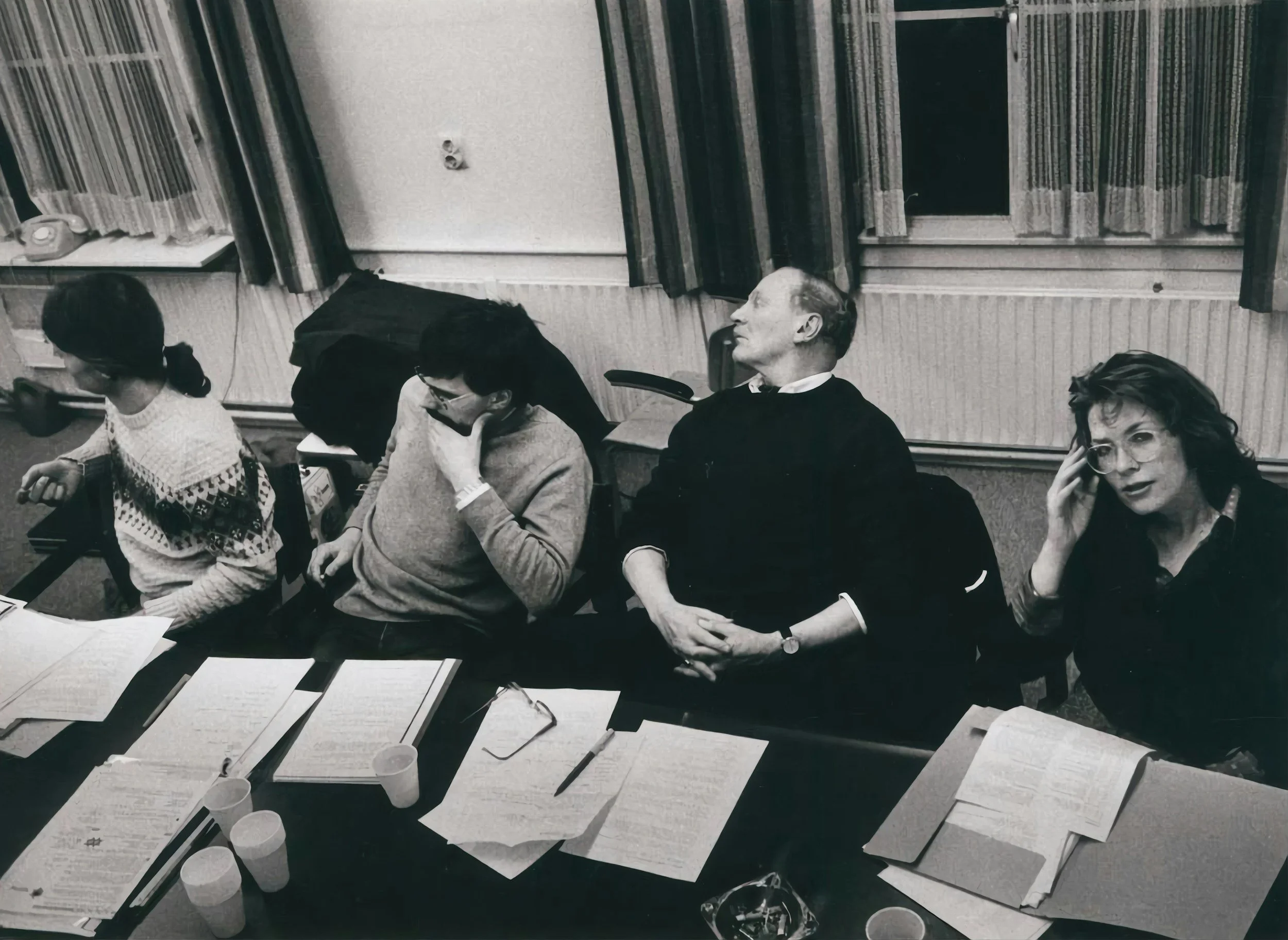
Every condominium building holds meetings with the apartment owners, and notes are recorded from those meetings. In Portugal these are called the actas do condomínio.
Ask to see the meeting minutes for at least the last three years.
They can tell you far more about the building than the listing description ever will.
For example, they might reveal:
Whether owners are paying their condominium fees
Ongoing disputes between neighbours
Complaints about noise or building issues
Water leaks or structural problems
Planned building repairs
It’s amazing how much information appears in these documents.
If a building has constant complaints, disputes between owners, or financial problems, you’ll often see it clearly in the minutes.
Are People Actually Paying Their Fees?
Condominium fees are used to maintain the building.
They typically cover things like:
Cleaning of shared areas
Lift maintenance
Electricity in communal spaces
Building insurance
Repairs to roofs or external areas
If several owners aren’t paying their fees, the building can quickly run into problems.
You may end up in a situation where important repairs are delayed because there simply isn’t enough money in the fund.
The meeting minutes and accounts will usually show whether there are owners in debt to the condominium.
Look at the Building’s Financial Health
A well-run condominium should have:
Regular monthly fees
A reserve fund for future repairs
A record of maintenance work being carried out
Buildings without a reserve fund can run into trouble when something expensive needs fixing, such as a lift replacement or roof repairs.
In those situations, the cost is normally shared between all apartment owners.
Who Manages the Condominium?
Some buildings are managed by professional companies. Others are managed by one of the residents who takes on the role for a year.
There’s nothing wrong with either approach, but the quality of management can vary.
A well-run condominium usually shows signs such as:
clean shared areas
organised meeting records
clear communication between owners
regular maintenance
If the building looks neglected, it may indicate the condominium isn’t functioning well.
Understand the Rules of the Building
Condominiums can have their own internal rules.
These can cover things such as:
Pets
Holiday rentals
Renovations inside apartments
Use of shared terraces or gardens
It’s worth knowing these rules before you buy, especially if you’re planning to rent the apartment out or make significant changes to the property.
Even New or Off-Plan Apartments Need Checking
People sometimes assume new developments won’t have these issues, but that’s not always the case.
Things to consider with new or off-plan apartments include:
The developer often controls the condominium during the early years
Fees can sometimes be higher than expected
Construction defects can appear after the building is occupied
Building rules may already be written into the development
So even with a brand-new apartment, it’s still worth asking the same questions.
A Final Thought
Apartments can be a fantastic choice in Portugal, especially if you want something easy to maintain or located in a lively town or city.
Just remember that you’re becoming part of a shared building with shared responsibilities.
Checking the condominium records, finances, and general health of the building can tell you a great deal before you commit.
And as we often say, Portugal isn’t trying to trick anyone. The system simply works differently. Once you understand what to look for and the questions to ask, the whole process becomes much easier to navigate.
