
The Do’s and Don’ts of Buying Property in Portugal
(And the Real Costs Most People Don’t Budget For )
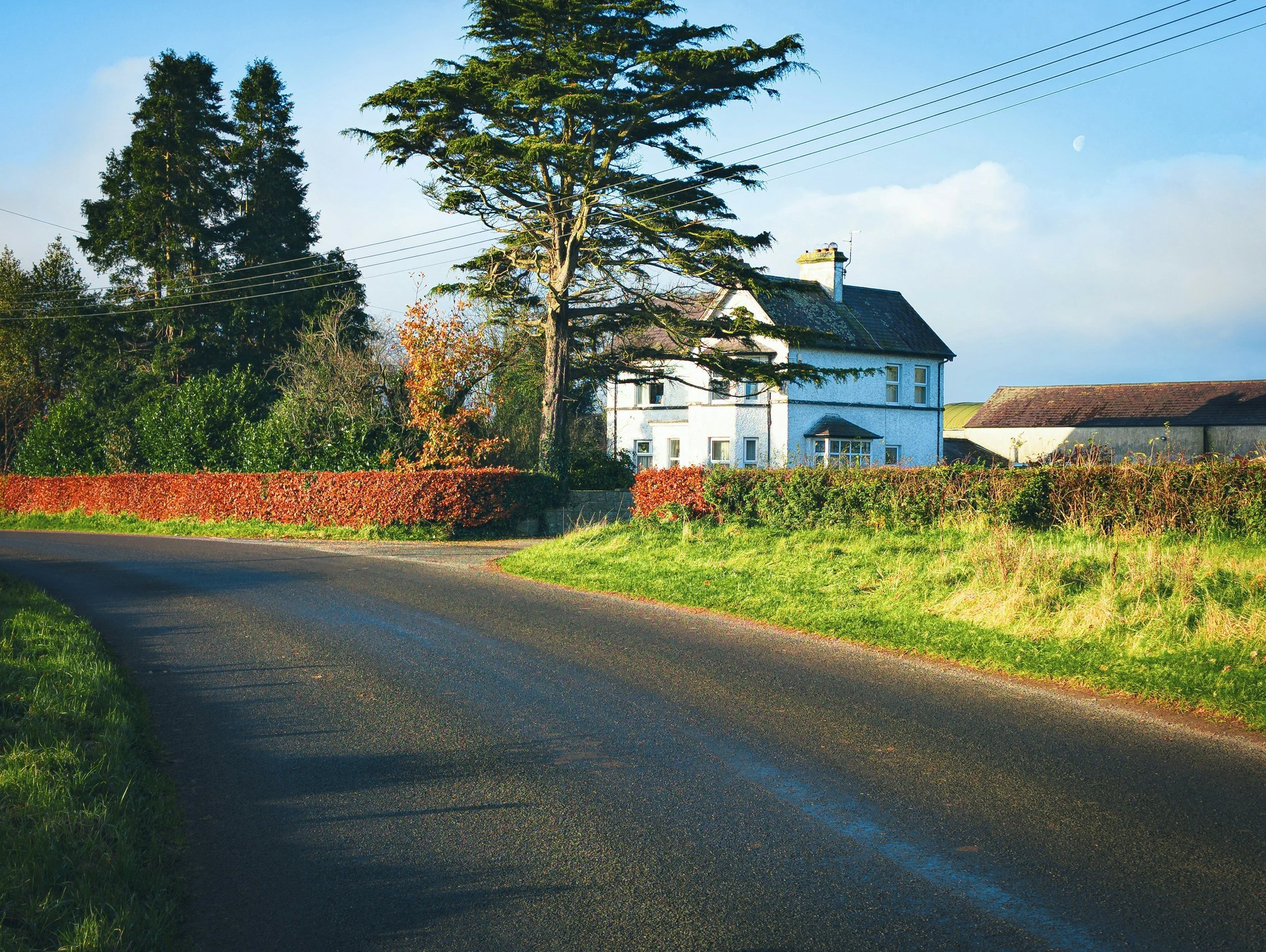
Buying property in Portugal can be a fantastic experience. It’s one of the reasons many of us fell in love with the country in the first place.
But the process is very different from the UK, the US, or Canada, and we regularly see people making avoidable mistakes simply because they didn’t understand how things work here.
This was the thing we were most anxious about when we were thinking of moving. It turns out that can be too much 'scary' information as well as very good advice out there!
So here are some key do’s and don’ts if you’re thinking about buying property in Portugal.
DO: Budget for the Buying Costs (Not Just the Property Price)
One of the biggest surprises for buyers is that the purchase price is not the total cost.
You should expect to add roughly 8–10% on top of the property price in taxes and legal costs.
Here’s a rough guide.
Typical Buying Costs in Portugal
IMT (Property transfer tax) 6–8% depending on value and type
Stamp Duty 0.8%
Lawyer / Legal Fees €600 – €3,000
Land Registry & Notary €250 – €500
Survey (optional but recommended) €500 – €1,500
Example:
If you buy a house for €300,000, you should realistically budget another €25,000–€30,000 to complete the purchase.
DO: Use an Independent Lawyer
In Portugal the estate agent represents the seller, not the buyer.
Your lawyer is the person who protects you.
They will:
Check the property registration
Confirm the legal boundaries
Check for debts or charges
Verify licences and habitation certificates
Review the promissory contract
Skipping this step is one of the biggest risks buyers take. Also NEVER use the lawyer the agent recommends - it could well be their brother in law! We found our lawyer through other immigrants that had moved, so we had some qualifiable information.
DO: Check the Paperwork Matches the Property
Portugal has many beautiful older homes… but the paperwork doesn’t always match what you see on the ground.
Common examples include:
Extensions that were never registered
Barns or animal storage spaces converted into houses
Swimming pools added without planning permission (biggie!)
Boundaries not correctly recorded
A lawyer should check this before you sign anything but they don't always! You must ensure YOU check.
We visited a house only last week on behalf of a buyer, they had already walked away from two properties with illegal extensions, we spotted the same issue with the one we visited straight away.
This is common, and you have to ask the question. Is this lounge on the plans? Is this kitchen on the plans? Are there any extensions not registered? Amazing what the agent will spurt out if you ask.
And, that old chestnut 'the seller will sort it out if you want to buy it - it should take 2/3 months' - do not fall for it! Some can take 2/3 years and if you enter this process, be prepared. Our advice is always to walk away.
DO: Expect a Two-Stage Purchase Process
Buying property in Portugal normally happens in two steps.
1️⃣ Promissory Contract (CPCV)
You agree to buy the property and pay a deposit (usually 10–20%).
This contract locks in the deal.
2️⃣ Final Deed (Escritura)
The final legal signing takes place at the notary and the property officially transfers to you.
DON’T: Assume You Can Just “Fix Things Later”
Some buyers think they can purchase a property and deal with legal issues afterwards.
This can be risky.
Problems we’ve seen include:
Illegal building work
Missing habitation licences
Land ownership disputes
Agricultural land restrictions
These issues can make properties difficult to sell or insure later.
DON’T: Skip the Survey
Surveys are not as common in Portugal as they are in the UK, but they can be extremely helpful.
Many Portuguese homes are older and may have:
Damp
Structural movement
Roof issues
Drainage problems
A survey can give you a much clearer picture before committing. Also, if you are buying a quinta with land for example, it is advisable to get a topographical survey because there are many tales of 'this is our land' stated by a neighbour when you rock up and thought it was yours.
DON’T: Rush Because You’re Afraid of Losing the Property
Portugal’s property market can move quickly, but rushing into a purchase can lead to expensive mistakes.
Take time to:
Understand the area
Check access and infrastructure
Visit the property more than once if possible
DON’T: Forget the Ongoing Costs
Owning property in Portugal is relatively affordable, but there are still ongoing costs.
Typical examples:
IMI (annual property tax)0.3–0.45% of tax value
Insurance€150–€400 per year (our buildings insurance is €250 for example - contents are €15 monthly)
Maintenance varies
The good news is that these costs are often much lower than in many other countries.
A Final Thought
Portugal is still one of the most attractive countries in Europe for property buyers, but the process works differently here.
Taking the time to understand the system, work with good professionals, and budget properly can make the experience far smoother.
And if you’re already thinking about buying in Portugal, our upcoming buyer’s agent service will focus entirely on helping buyers navigate the process and avoid the common pitfalls we see every week.
We’ve said it many times before, but Portugal is not trying to trick you. The system simply works differently. Once you understand the rules of the game, it becomes much easier to play!
