
Why Some People Leave Portugal — and Others Never Do
Scroll through YouTube or Facebook groups and you could be forgiven for thinking there is a quiet exit happening. Videos about disappointment. Posts about frustration. People announcing they are “moving on”.
And yet, at the same time, there are people who arrive in Portugal and stay. Not just for a year or two, but for good. They put down roots. They stop comparing. They settle into something calmer.
So what is the difference?
It is rarely about Portugal itself.
If you’re planning a move from abroad, our relocation services to Portugal can help you secure visa-compliant housing and plan your move.
Expectations Do the Heavy Lifting
Many people arrive carrying an invisible suitcase filled with expectations.
They expect:
Life to feel easier straight away
Systems to work the way they did “back home”
Integration to happen quickly
The lifestyle to compensate for every frustration
When those expectations collide with reality, disappointment creeps in. Portugal moves at its own pace. Processes are manual. Answers are not always clear. Things often take longer than planned.
Those who stay tend to arrive curious rather than convinced. They expect adjustment. They accept friction as part of the process, not a sign they made a mistake.
Location Is Everything
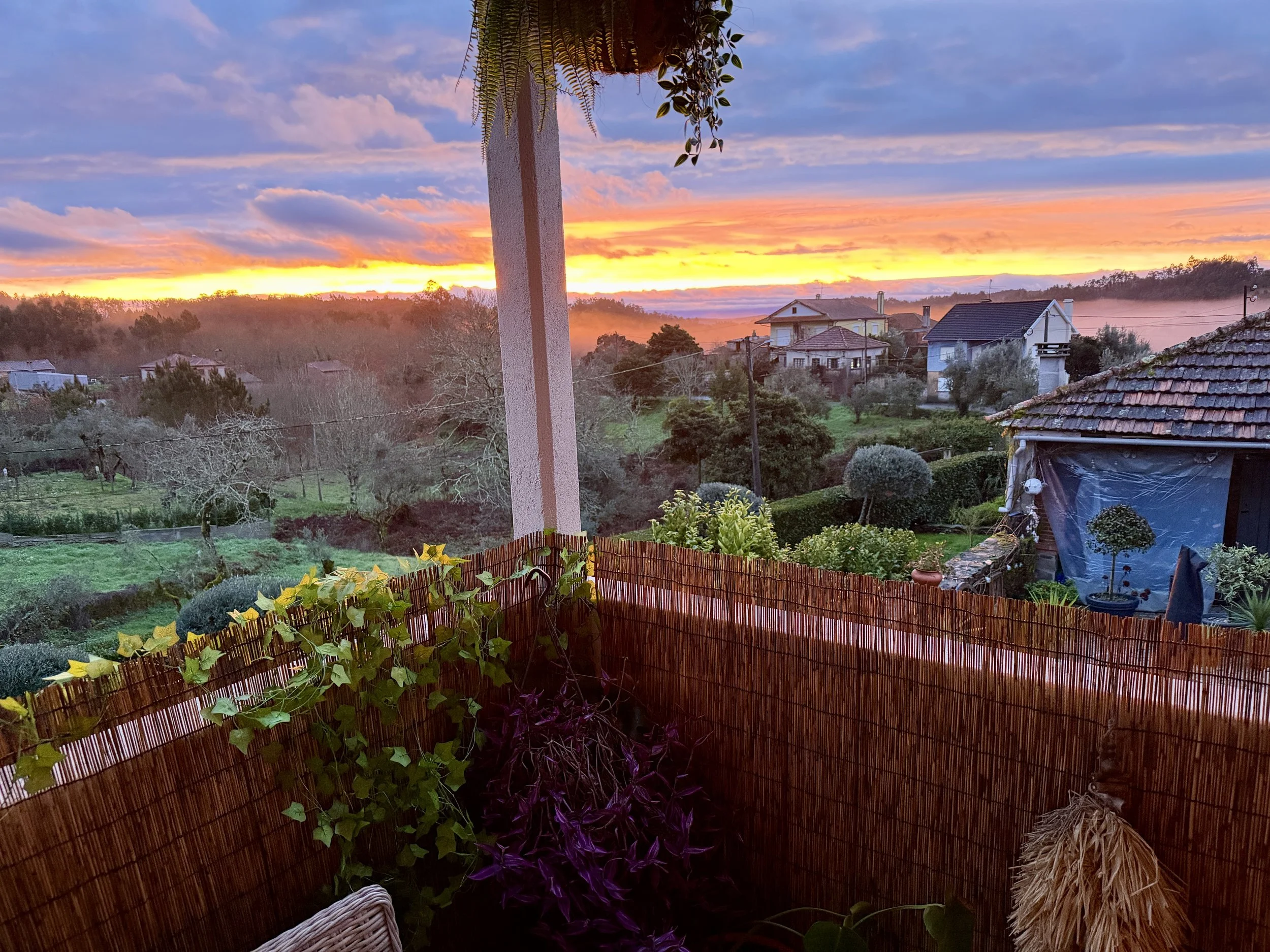
This is a BIG one.
A large number of people who leave Portugal never really experienced Portugal. They experienced one city, one neighbourhood, or one expat bubble.
High-pressure areas feel very different from smaller towns and regional cities. Housing stress, tourism, and short-term rentals change the mood of a place. Locals feel squeezed. Newcomers feel resented. Nobody wins.
Those who stay long-term are often the ones who:
Choose towns and smaller cities
Live among Portuguese neighbours
Become known faces rather than constant newcomers
It is not about hiding away. It is about choosing places where daily life still belongs to the people who live there. Where we live in Central Portugal, we rarely hear of anyone leaving!
Integration Beats Entertainment
Portugal is not designed to entertain you.
If your happiness relies on constant novelty, fast service, and convenience, you may struggle. This is a country built around routine, relationships, and repetition.
People who thrive tend to:
Learn some Portuguese
Use local cafés, not just international ones
Accept invitations even when language is awkward
Show up regularly
Belonging grows quietly here. You do not notice it happening until one day you realise people greet you by name.
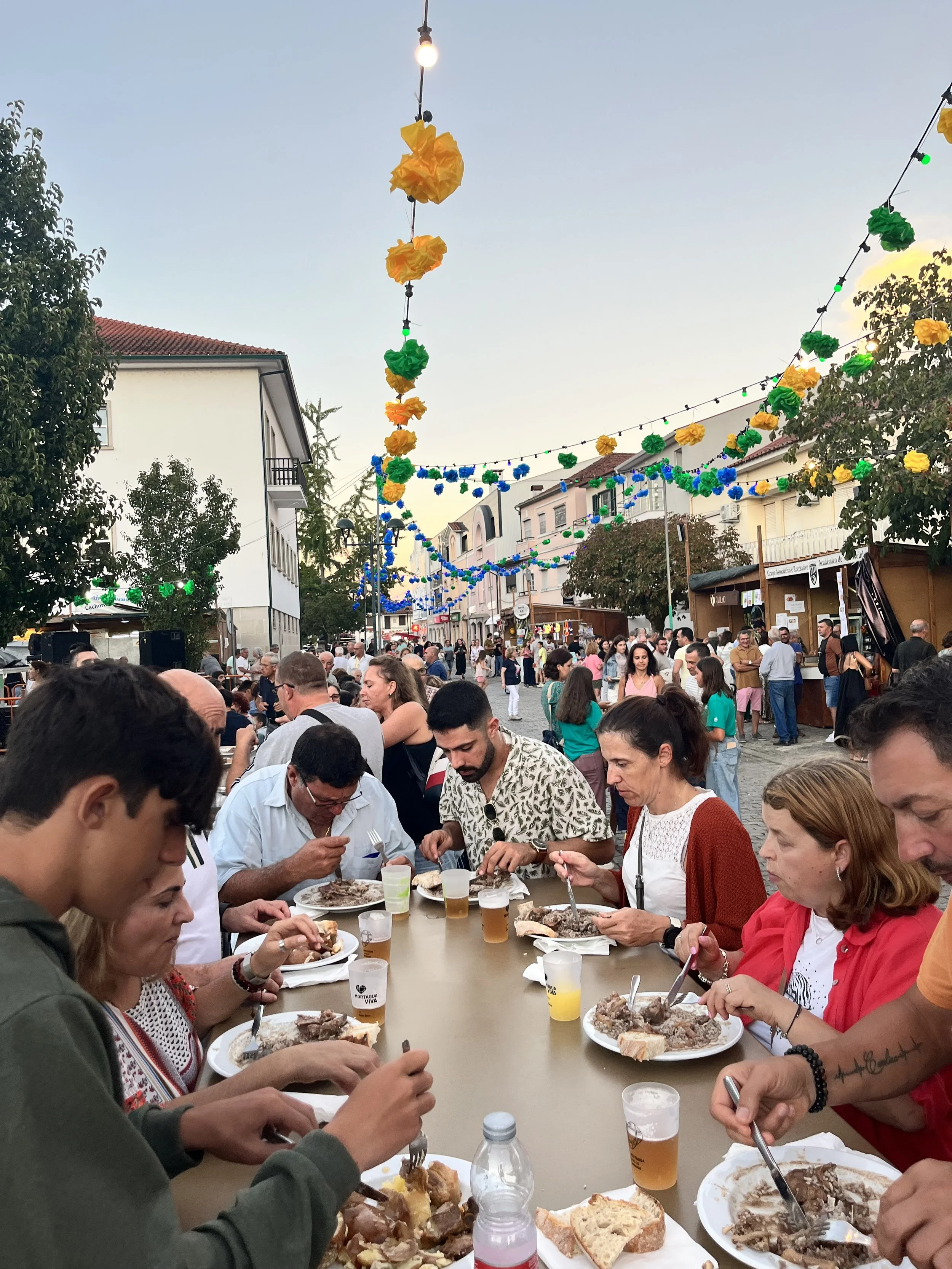
festival in mortagua
Bureaucracy Is a Filter
Paperwork wears people down.
Residency renewals, health systems, banks, utilities, tax offices. None of it is thrilling. All of it is unavoidable.
Some people interpret friction as hostility. Others see it as a system that simply was not built with them in mind.
Those who stay learn a key lesson early: patience is not optional. You can fight the system every step of the way, or you can learn how it actually works and move within it.
Portugal Will Not Fix Everything
This may be the hardest truth.
Portugal will not fix burnout. It will not repair relationships. It will not magically make you happy.
If you arrive already exhausted, angry, or deeply unhappy, those feelings will follow you. The slower pace can even amplify them.
People who stay tend to move towards something, not just away from something. A different rhythm. A different set of values. A different idea of what “enough” looks like.
Why Some People Never Leave
The people who stay often stop asking whether Portugal is perfect.
They stop comparing supermarkets. They stop measuring life against their old one. They accept trade-offs consciously.
They build a life rather than consume an experience.
And once that shift happens, leaving feels less tempting.
The Quiet Truth
Portugal is not for everyone. That is not a failure. It is just honesty.
But for those who arrive with realistic expectations, choose their location carefully, and give themselves time to integrate, it can become something rare.
Not perfect. Not effortless.
But deeply livable.
